The Internal Quality Assurance Cell (IQAC) of MTM College functions as the central quality assurance and enhancement body of the institution. Established in accordance with the guidelines of the National Assessment and Accreditation Council (NAAC), IQAC plays a vital role in promoting a culture of continuous improvement in academic, administrative, and institutional performance.
IQAC works towards developing systematic processes and quality benchmarks that ensure excellence in teaching, learning, evaluation, research, infrastructure, student support, governance, and institutional development. The Cell actively coordinates quality-related initiatives and encourages participation from all stakeholders including students, faculty, management, alumni, and the community.
The primary goal of IQAC is to institutionalize quality enhancement practices and create a learner-centric environment that supports academic excellence, innovation, accountability, and holistic development.
Principal
Chairman
Secretary
Management Committee Member
Assistant Professor, Department of Computer Science
Coordinator, IQAC
Head, Department of Sociology
Joint Coordinator, IQAC
Head, Department of Malayalam
Joint Coordinator, IQAC
Vice Principal
Faculty Member
Head, Department of English
Faculty Member
Head, Department of Management Studies
Faculty Member
Head, Department of Commerce
Faculty Memb
Head, Department of Computer Science
Faculty Member
Office Superintendent
Administrative Staff Representative
Chairman, MT Mammed Haji Educational & Charitable Trust
Employer
Strategy & Initiatives, Daya General Hospital & Speciality Surgical Centre
Stakeholder
Retired Bank Employee
Local Society Representative
Alumni Association President
Alumni Representative
College Union Chairman
Student Representative
Objectives of the Practice
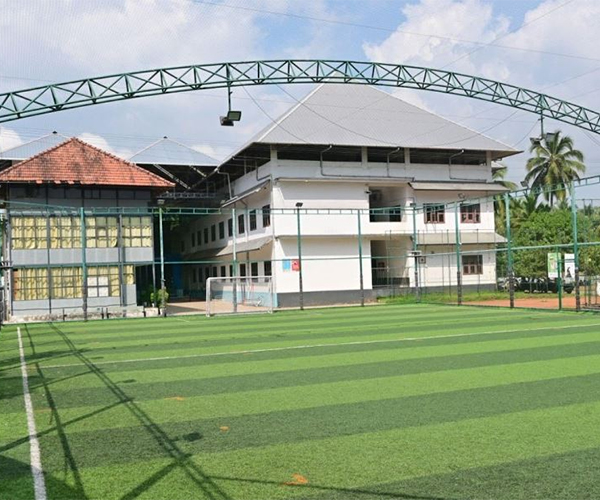
The Context MTM Sports and Cultural Village situated in the outskirts of Ponnani village is a pioneering initiative aimed at promoting sports and physical fitness within the community. The sports villag
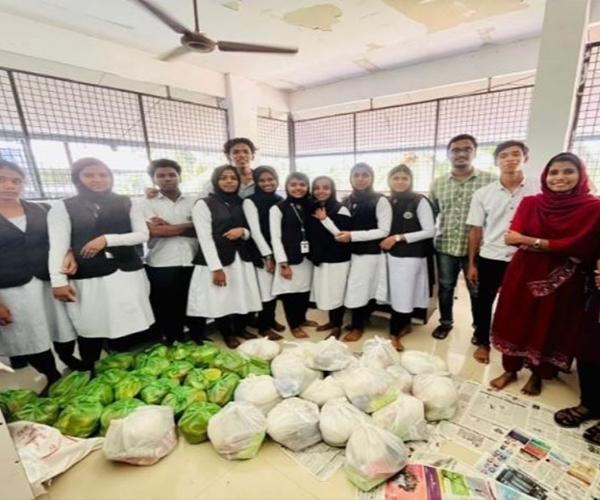
Objectives of the Practice The objectives of this programme are: 1.To provide food kits the most needy and deserving families 2.To create awareness among the surrounding society about the social responsibility and necessity of helping others. 3.To inculcate in the students values like social commitment, empathy and dignity for those in needy The Context As an institution which focuses on social service and welfare , the college takes the responsibility to support the economically weak .Realizing the need to help those in need, the Department of Sociolo
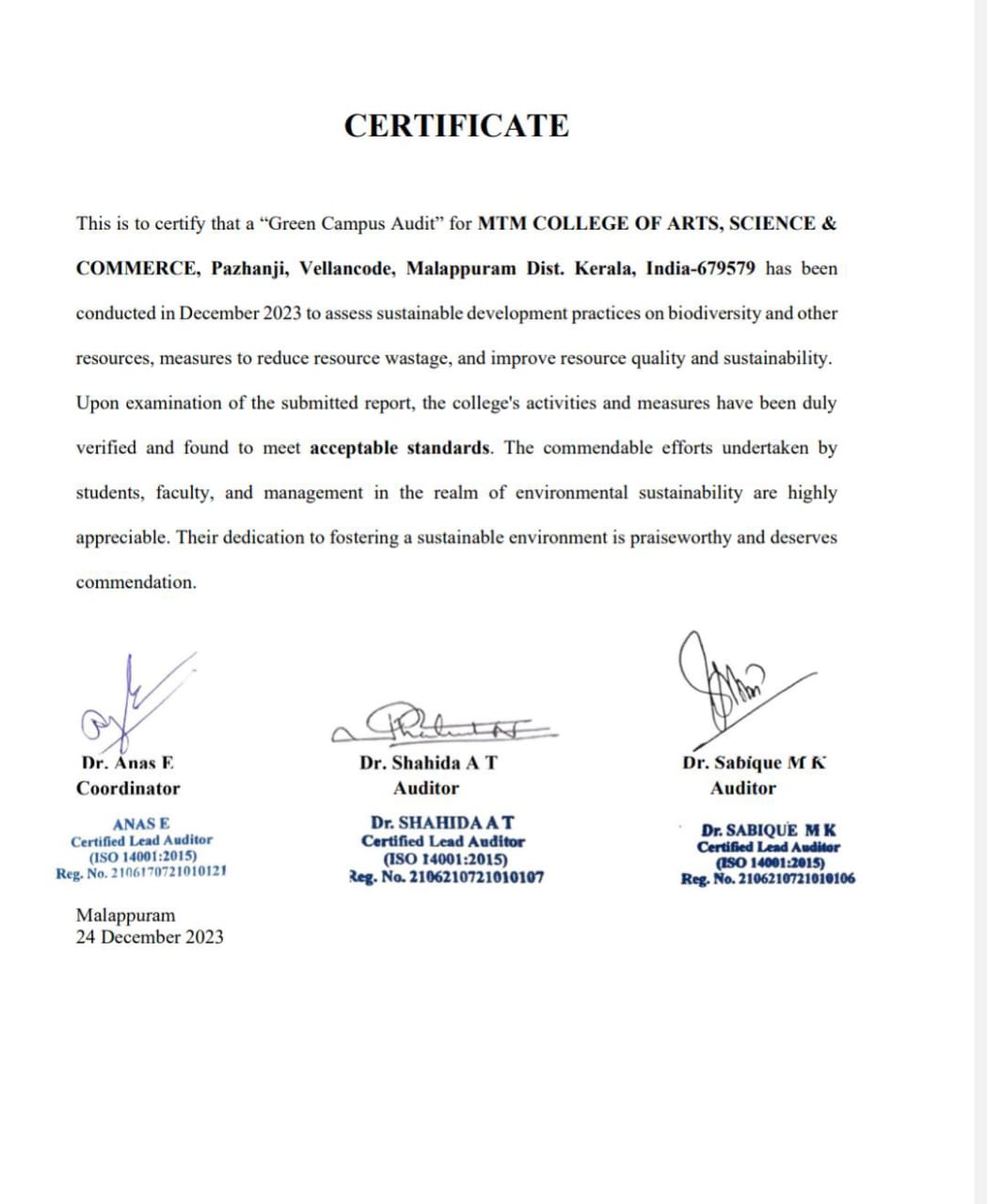
The institution follows green enviromet policies and coducts audits on green and environmet yearly. Through this way the institution ensures green policies are maintained
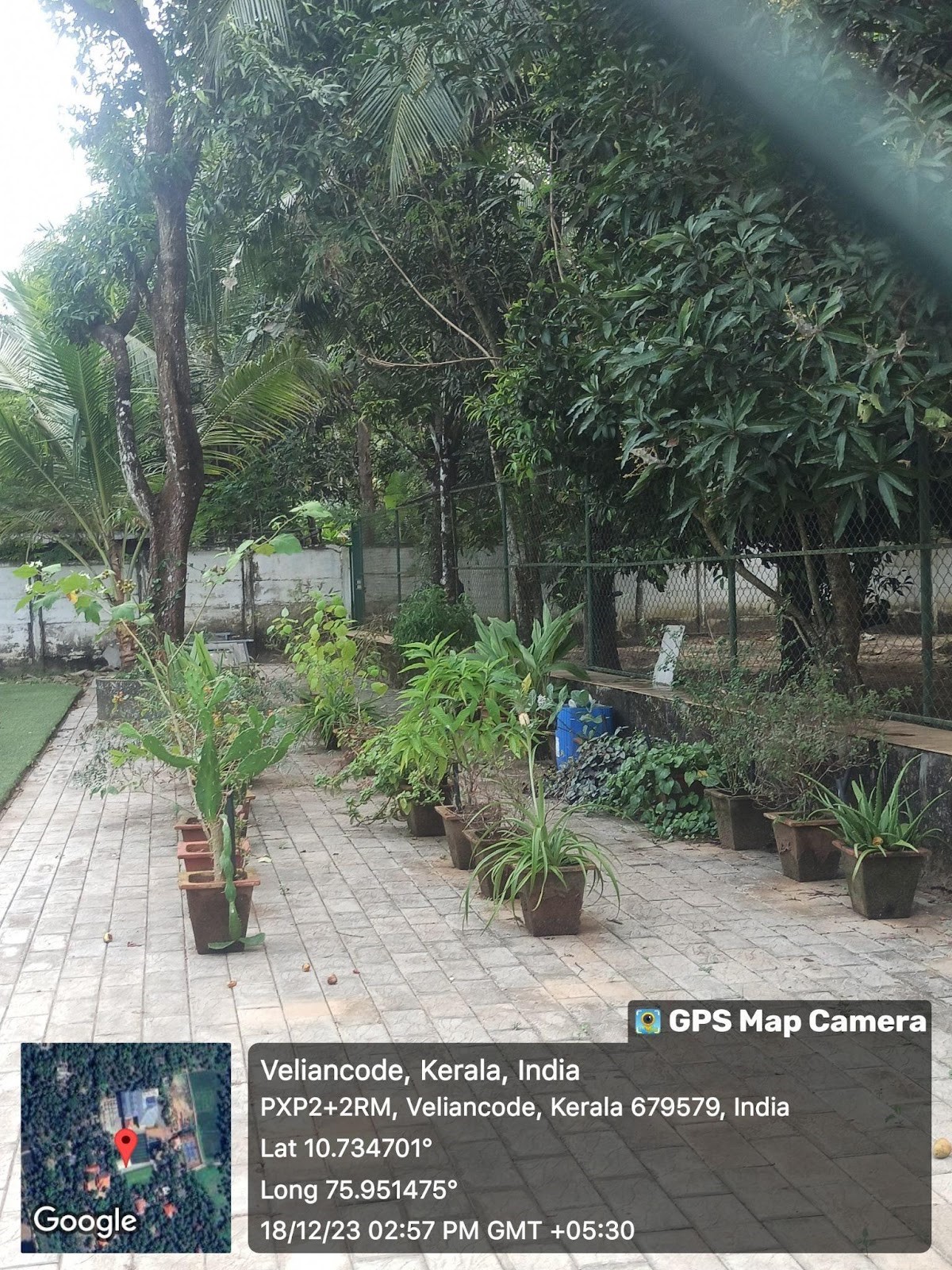
MTM college has various medicinal plants inside our campus. It is an initiative of our college management to educate students about the importance of caring medicinal plants.
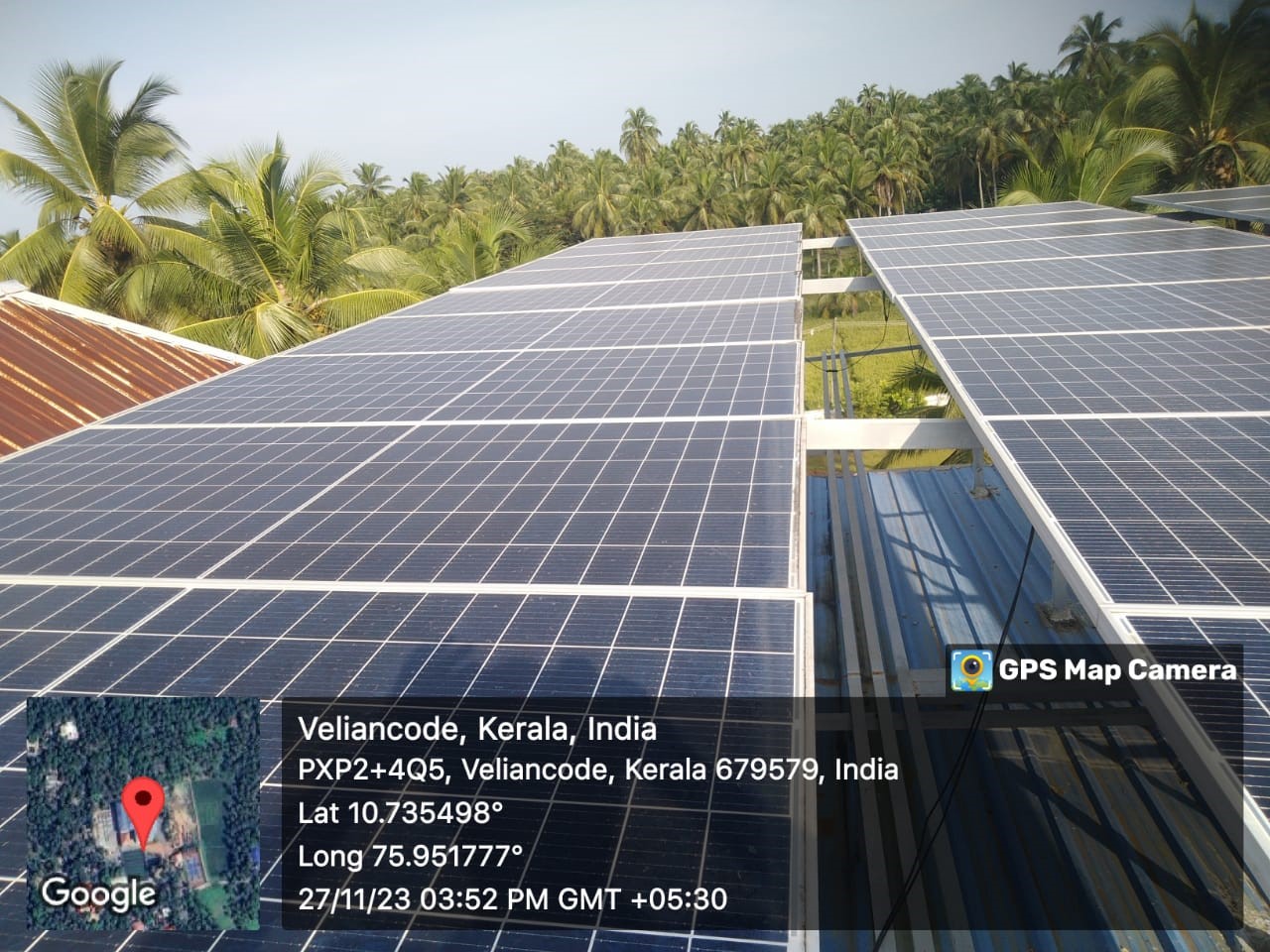
Solar energy is the most abundant of all energy resources and can even be harnessed in cloudy weather. The rate at which solar energy is intercepted by the Earth is about 10,000 times greater than the rate at which humankind consumes energy. Here we installed...
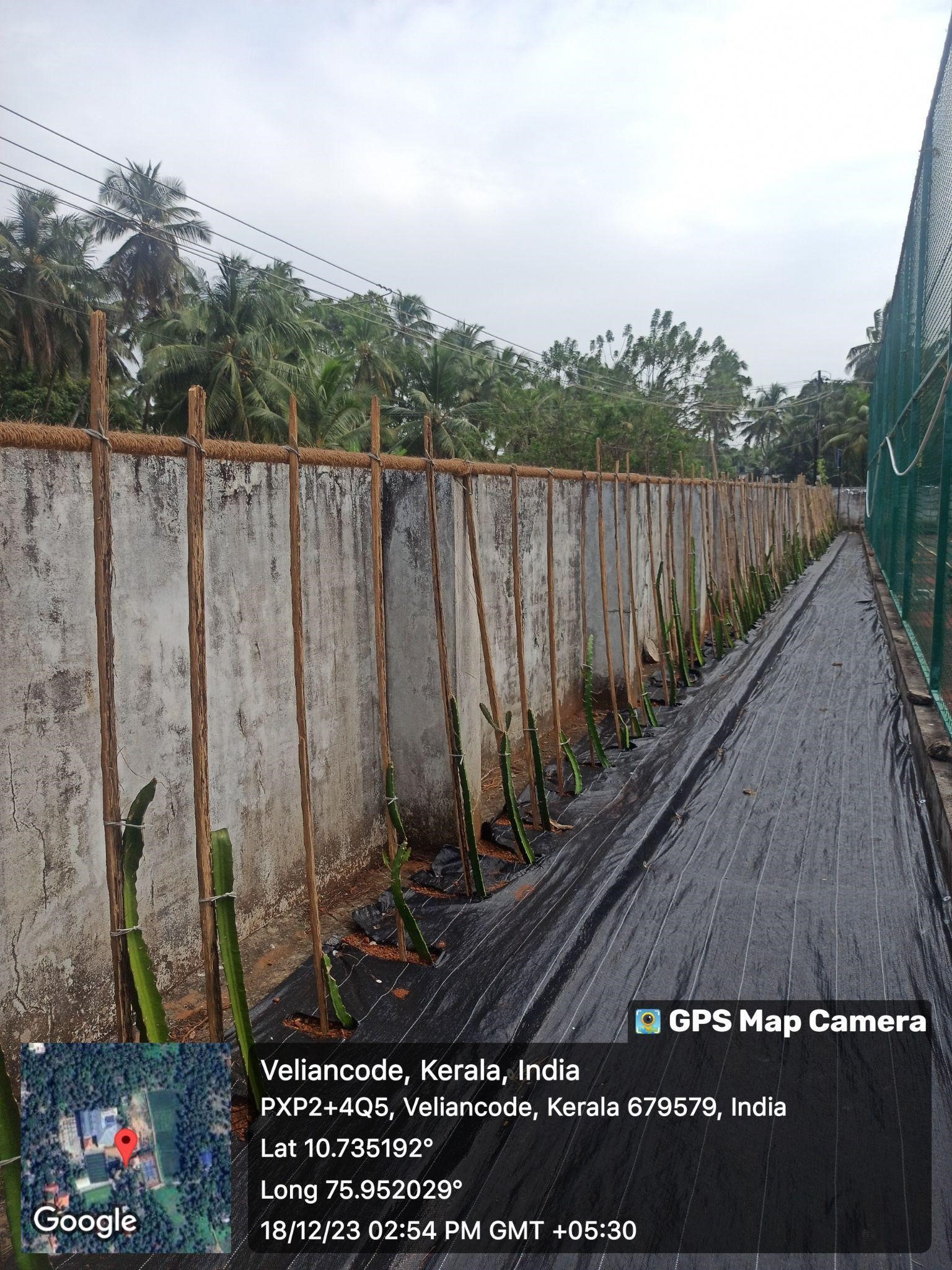
Dragon fruit farming at our college involves the cultivation of this exotic and nutritious fruit within the campus premises. The initiative aims to provide students with practical knowledge and hands-on experience in cultivating a unique crop while promoting sustainable agricultural practices.
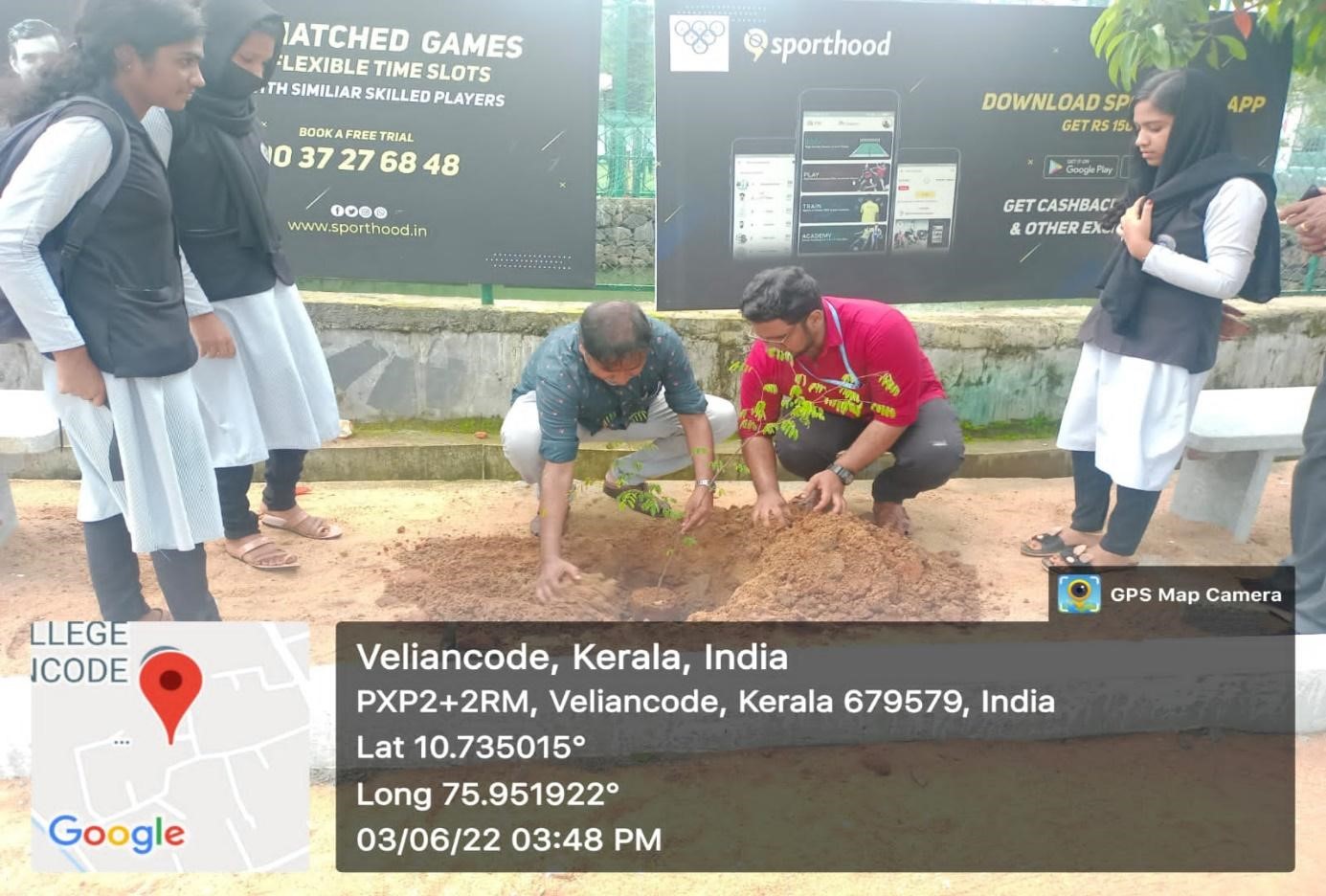
Awareness program on tree planting organized by our nature club aimed to educate and engage the community in the vital role of trees in our ecosystem.
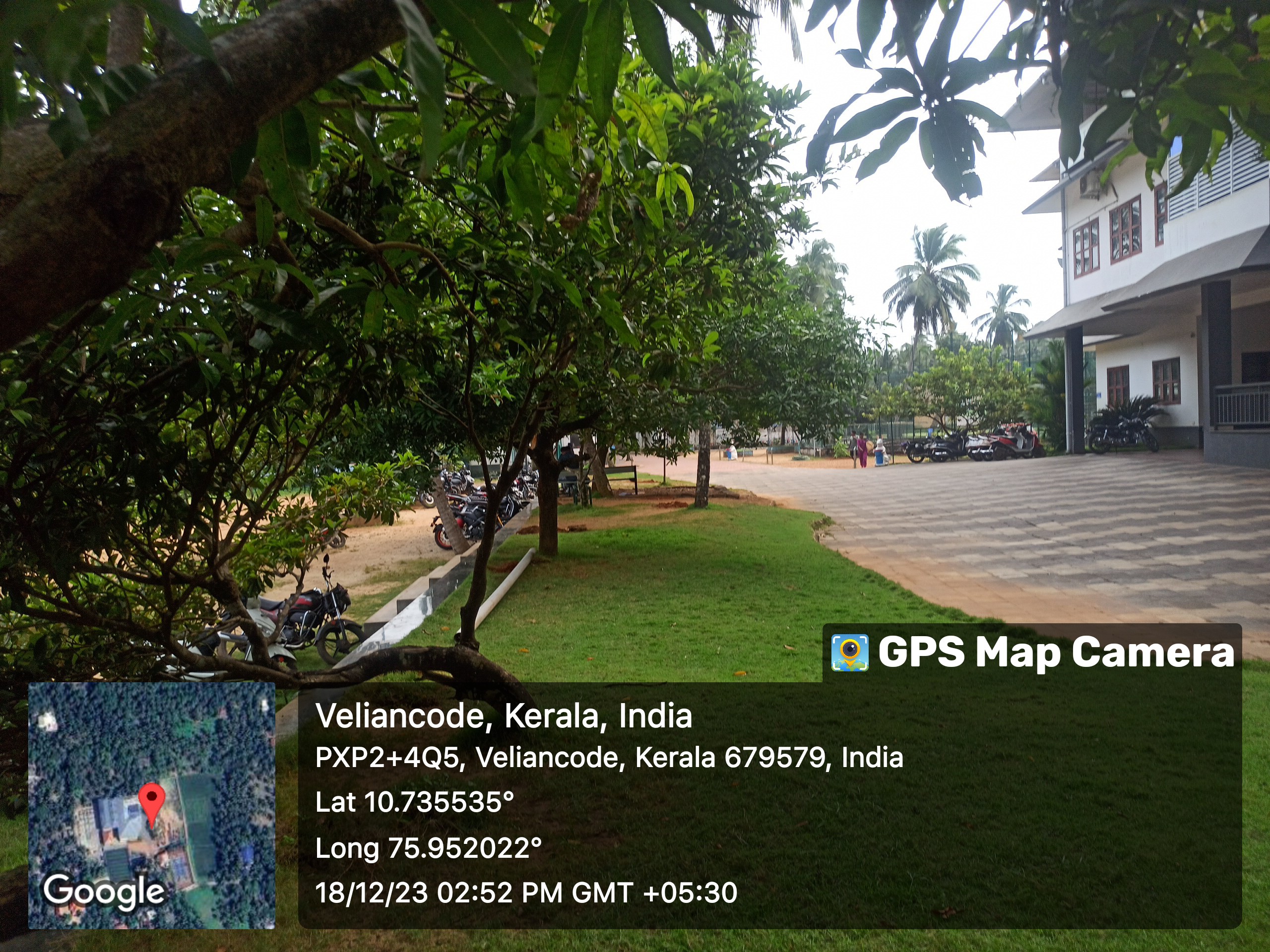
Creating a green landscape with trees and plants in our college can transform the campus into a vibrant and sustainable environment. MTM college has beautiful green landscaping where students can enjoy their free time as well as faculties can engage in outdoor classes.
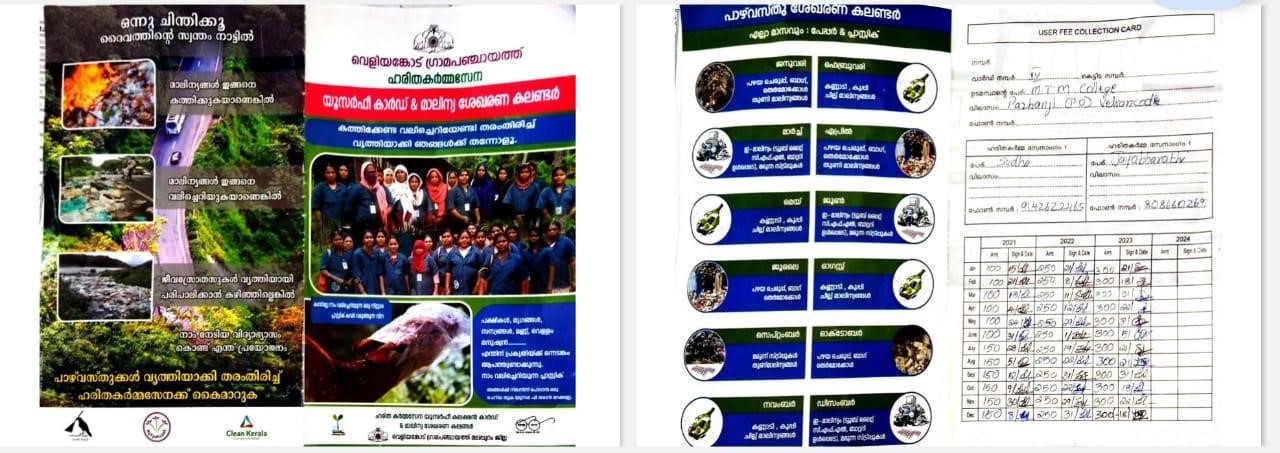
Veliyancode Panjayath Haritha karma Sena collects non-biodegradable waste from our college premises.
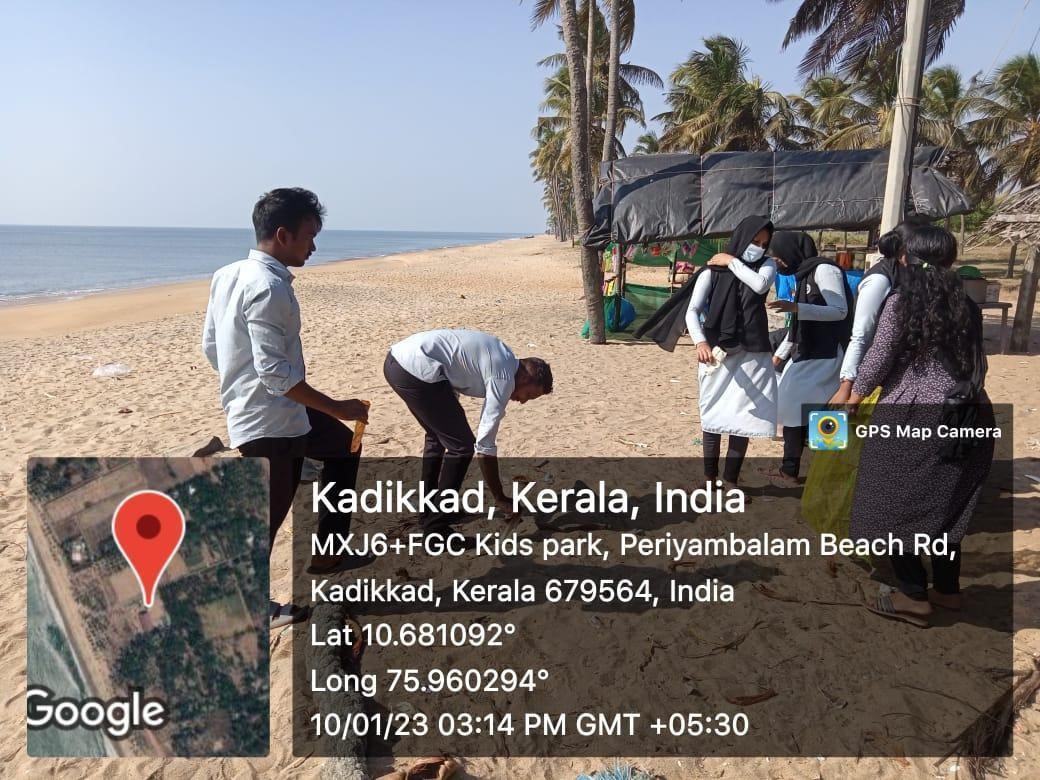
The Nature Club and NSS unit of MTM College conducts cleaing drives in the neighouring localities. By doing so the community engagement of students with the world outside the institution increases and will develop a sense of social awareness and responsibility.
Freshwater Fish farming is carried out in the instution to promote agricultural practice of fish farming culture. The fish is grown in a rainwater harvesting pond located inside the college.
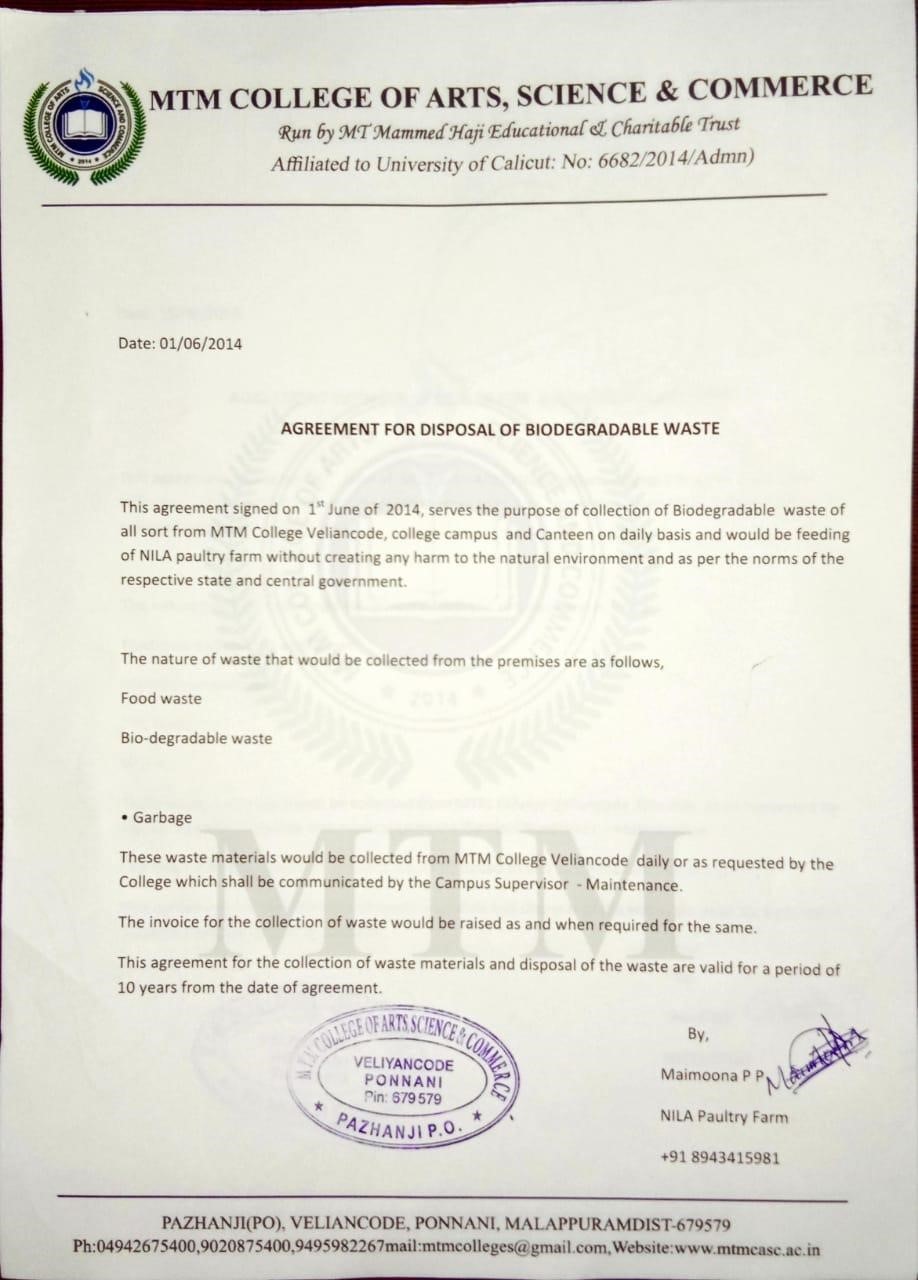
Our college has a MoU with NILA poultry farm for collecting all biodegradable waste . We are actively collecting biodegradable waste across campus. We also made an understanding between local scrap dealers for collecting electronic, metalic and plastic materials from college premises.
In the heart of our educational institution, MTM College, we believe in nurturing not just minds but also the very soil from which our sustenance springs. As we step into a future marked by environmental challenges and a growing global population, we recognize the pivotal role that agriculture plays in shaping our world. In a unique initiative that sets us apart, MTM College is proud to promote farming through its students, fostering a sense of responsibility, sustainability, and a deep connection to the land. The NSS unit of the college plays a major role in making this vision into a clear reality. The Nature club also plays a vital role in establishing awareness programmes and live visits to farmlands and conducting field visits and live interaction with farmers of our locality.
At MTM College, we understand the transformative power of hands-on experiences, and our agricultural programs are designed to empower students with practical skills, environmental awareness, and a profound appreciation for the intricate web of life that sustains us. Through innovative and experiential learning opportunities, we aim to instill a passion for farming in our students, equipping them with the knowledge and skills needed to address the pressing challenges of the 21st century.
Our agricultural practices goes beyond traditional classroom teachings, immersing students in the entire agricultural process – from seed to harvest. Students engage in practical activities such as soil testing, crop rotation, and sustainable farming techniques. They learn the importance of biodiversity and the delicate balance required to maintain healthy ecosystems. Through recent interaction with farmers of our locality, gain hands-on experience in cultivating a variety of crops and understanding the nuances of modern farming practices. The live interaction with farmers also helps in passing on some old traditional techniques of agriculture and knowledge regarding crops, cultivation, irrigation as well.
One of the cornerstones of our farming promotion initiative is our student-run farm. MTM College allocates dedicated plots of land to student groups, giving them the autonomy to plan, execute, and manage their own agricultural projects. This not only serves as a valuable learning experience but also fosters a sense of ownership and responsibility among the students. From selecting the right crops to implementing sustainable irrigation practices, students actively contribute to the success of their farm, gaining practical insights that extend far beyond the classroom.“Rakthashali” , a breed of paddy, is cultivated in the paddy field near to our college.Rakthashali, with red husk and grain,is considered uneconomical compared to high-yielding rice varieties; it also has a huge medicinal properties. Students are the active participants of its cultivation to harvesting. Seasonal farming of fruits and vegetables is also carried out inside and outside the campus. As the college is situated near the coastal area , freshwater fish farming is also carried out in a rainwater harvesting pond inside the campus. Fish farming classes are also given to students from farmers outside.
Furthermore, our agricultural program extends beyond the boundaries of the campus, encouraging students to engage with local communities and farmers. Through partnerships with local agricultural organizations, students have the opportunity to participate in community-based projects, bringing their knowledge and skills to real-world situations. This collaborative approach not only benefits the students but also strengthens the bond between the college and the broader community, creating a symbiotic relationship that enhances the agricultural landscape of the region.
In conclusion, MTM College stands as a beacon of agricultural education, promoting farming through its students. We believe in cultivating not only crops but also the minds of our students, empowering them to become leaders in the field of agriculture. Through a holistic approach that combines classroom learning with hands-on experiences, community engagement, and a commitment to sustainability, MTM College is sowing the seeds of a brighter, more resilient future—one where the next generation of farmers is educated, inspired, and ready to tackle the challenges of a rapidly changing world.
The V K Ayisha Kutty Memorial Central Library, inaugurated in the year 2020, occupies a strategic location within our campus. It stands as a prominent edifice housing an extensive collection of approximately four thousand books spanning diverse subjects. This singular multi-storied structure is thoughtfully designed to cater to both academic and general reading needs. Additionally, it boasts an Audio Visual Hall dedicated to screenings and exhibitions,encompassing a total area of 1059.69 square meters.Specialized sections such as the newspaper archive, periodicals, reference materials, and the Network Resource Centre (NRC) are established to enrich the knowledge-seeking experience.
It is noteworthy that our library extends its accessibility beyond regular working hours, including Saturdays . In the spirit of promoting knowledge dissemination, the library opens its doors to the public, granting admission through a formal membership process, facilitated by a written request. This endeavor aligns with our commitment to fostering an environment of learning and research within the broader community.
A Jan Seva Kendra is diligently operational within the confines of the MTM College campus, serving as an integrated hub for a comprehensive array of online services. This establishment, sanctioned by government authorities, embodies a one-stop solution tailored to cater to the needs of students, faculty members, and the local populace residing in the vicinity of our campus. It is imperative to underscore that this facility extends its services not only to the college and its constituents but also generously opens its doors to the neighboring community.
Furthermore, our institution has taken a pioneering initiative by establishing an AkshayaJanaseva Kendra, aimed at dispensing essential government services within the rural precincts surrounding our college. It is a well-acknowledged fact that residents of these proximate localities face relatively limited access to information and essential services in comparison to their urban counterparts. Project Akshaya represents a monumental stride towards bridging this accessibility gap, as it empowers individual citizens by furnishing them with a responsive conduit for assessing critical information and government services, thereby fostering a more interactive and responsive government-citizen relationship.



 Login
Login

